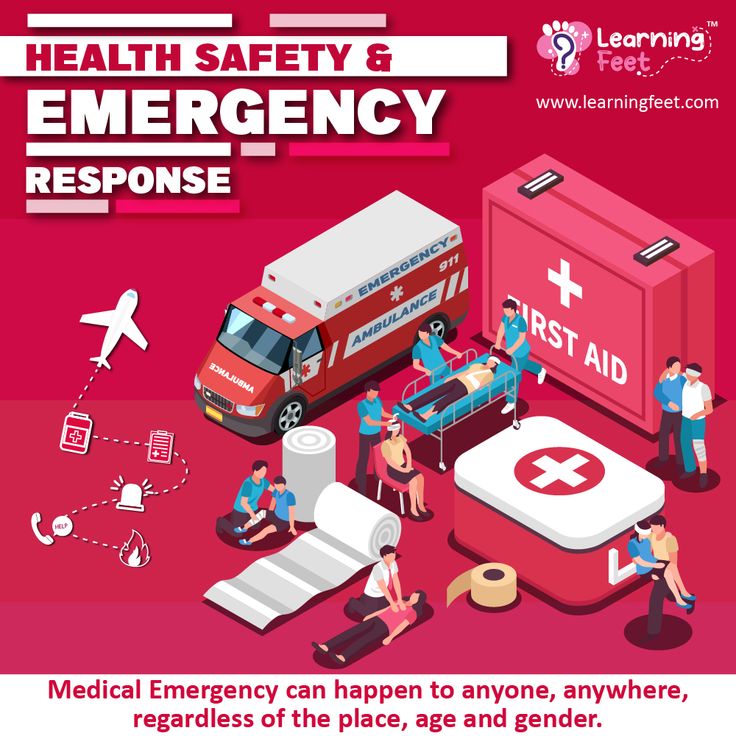

Understanding Emergency News
Emergency news refers to real-time updates about natural disasters, accidents, health crises, or other events that pose a threat to public safety. Accurate reporting of emergencies is essential to keep communities informed and prepared. News organizations, government agencies, and meteorological departments provide timely alerts through television, radio, social media, and mobile apps. Awareness of emergency news allows individuals and organizations to respond quickly and minimize harm.
Types of Emergencies
Natural Disasters
Natural disasters such as earthquakes, floods, hurricanes, tornadoes, and wildfires can occur suddenly and without warning. Emergency news covers forecasts, early warnings, and updates on the impact of these events. Understanding the specific risks associated with each type of disaster is vital for planning evacuations, securing property, and protecting lives.
Accidents and Industrial Emergencies
Industrial accidents, chemical spills, and fires in residential or commercial areas are also reported under emergency news. These incidents require immediate attention from local authorities and emergency services. Reports often include areas to avoid, safety precautions, and evacuation procedures for affected populations.
Health Emergencies
Public health crises, such as pandemics, outbreaks of contagious diseases, or food safety alerts, are classified as health emergencies. Timely dissemination of news regarding symptoms, preventive measures, and available medical resources helps reduce the spread of illness and protect vulnerable populations.
Safety Guidelines for Natural Disasters
Earthquake Safety
During an earthquake, individuals should drop to the ground, take cover under sturdy furniture, and hold on until the shaking stops. It is crucial to stay away from windows, heavy objects, and unsecured furniture. After the tremor, check for gas leaks, damaged electrical wires, and structural damage before moving outdoors.
Flood Precautions
Flood warnings advise residents to evacuate to higher ground and avoid low-lying areas. People should not attempt to drive through flooded roads, as water depth and current strength can be deceptive. Emergency kits with drinking water, food, and first aid supplies are essential. Local authorities often provide guidance on safe evacuation routes.
Storm and Hurricane Preparedness
Storms and hurricanes bring strong winds, heavy rain, and potential flooding. Safety measures include securing loose objects, boarding up windows, and staying indoors during the storm. Emergency broadcasts provide updates on storm paths, expected landfall times, and shelter locations. Staying informed is critical to avoid life-threatening situations.
Safety Guidelines for Accidents and Industrial Emergencies
Fire Safety
In case of a fire, people should evacuate immediately using marked exits and avoid elevators. Using a fire extinguisher is recommended only if the fire is small and manageable. Fire safety drills, smoke alarms, and fire-resistant materials help reduce casualties and property damage during emergencies.
Chemical Spills and Hazardous Materials
Accidents involving chemicals or hazardous materials require immediate evacuation and notifying emergency services. People in affected areas should avoid inhaling fumes, and protective gear may be necessary for first responders. Authorities issue containment and decontamination procedures to limit exposure and prevent contamination of surrounding areas.
Road and Traffic Accidents
Emergency news provides real-time updates on accidents that may cause traffic congestion or hazards. Drivers should follow detours, maintain a safe distance from accident sites, and allow emergency responders to manage the scene. Road safety campaigns emphasize adherence to speed limits, seat belt use, and awareness to prevent accidents.
Health Emergency Guidelines
Pandemic Precautions
During pandemics, emergency news broadcasts instructions on hygiene practices, mask usage, and social distancing. Vaccination schedules and local health advisories are updated frequently to ensure public safety. Understanding symptoms and knowing when to seek medical help can save lives and reduce the strain on healthcare systems.
Food Safety Alerts
Health agencies issue emergency news regarding contaminated food products or water supply. Guidelines include discarding affected items, avoiding consumption, and reporting symptoms of foodborne illnesses. Public awareness campaigns help prevent outbreaks and protect community health.
Extreme Heat and Cold
Weather-related health emergencies, such as heatwaves or cold snaps, require following guidelines on hydration, protective clothing, and limiting outdoor exposure. Emergency news provides temperature alerts and recommendations for vulnerable populations, including children, the elderly, and those with preexisting health conditions.
Role of Technology in Emergency News
Mobile Alerts and Apps
Mobile technology allows instant dissemination of emergency news through alerts, notifications, and mobile applications. Users can receive location-specific warnings, evacuation instructions, and real-time updates. Apps also provide access to emergency contacts, maps, and medical resources, improving response efficiency.
Social Media and Real-Time Reporting
Social media platforms allow rapid sharing of emergency information, including videos, images, and eyewitness reports. Authorities use official accounts to verify facts and guide communities. Crowdsourced updates can help identify affected areas, but users should rely on verified sources to avoid misinformation.
Satellite and Radar Monitoring
Satellites and radar systems track natural disasters such as storms, floods, and wildfires. Data collected from these technologies enables meteorologists and emergency agencies to predict events, monitor progression, and issue warnings promptly. This advanced monitoring significantly reduces response times and helps save lives.
Preparedness Measures for Individuals
Emergency Kits
Every household should maintain an emergency kit containing water, non-perishable food, first aid supplies, flashlights, batteries, and important documents. Customized kits may include medication, clothing, and items for infants or pets. Having a well-prepared kit ensures survival during the initial hours of a disaster.
Evacuation Plans
Knowing evacuation routes and designated shelters is crucial. Families should practice drills and have contingency plans for different scenarios. Coordination with neighbors and local authorities enhances safety and ensures that vulnerable individuals receive assistance quickly.
Communication Strategies
Establishing a communication plan with family, friends, and neighbors is important during emergencies. Mobile phones, radios, and messaging apps can be used to share updates. Emergency contact lists should include local authorities, hospitals, and disaster response organizations.
Community and Organizational Role
Local Authorities and Emergency Services
Police, fire departments, medical responders, and disaster management agencies are essential in handling emergencies. Emergency news often communicates instructions from these authorities, including evacuation orders, shelter locations, and safety advisories. Community members are advised to follow these guidelines strictly.
Schools and Workplaces
Educational institutions and workplaces develop emergency preparedness plans, conduct drills, and provide guidance on responding to different scenarios. Awareness and training reduce panic and ensure orderly evacuation. Emergency news helps reinforce these plans by updating conditions and alert levels.
Community Awareness Programs
Community programs educate the public about potential risks, emergency procedures, and first aid. Awareness campaigns, workshops, and drills foster a culture of preparedness. Timely emergency news combined with community initiatives increases resilience and reduces casualties.